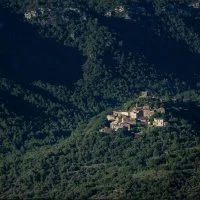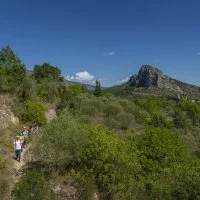
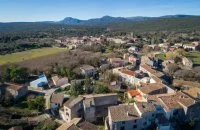
Perched on a vast, wooded limestone plateau with green oaks, the village enchants with its wild panoramas, peaceful atmosphere, traditional rural architecture, and Mediterranean scents. Here, the garrigue, the silence of the forests, and the murmuring of water come together, inviting the visitor to slow down and discover.
Our Favorites


The village tells its story…
The municipality has been inhabited since Prehistory, as evidenced by its dolmens, menhirs, and ancient graves.
Around the year one thousand, the first hamlets formed around farms, often established by the monks of the Gellone Abbey. Over time, these farms became the nuclei of the village we know today. Long attached to the barony of Pégairolles, the municipality has evolved through the centuries, but it remains primarily rural, with a strong tradition of livestock farming, agriculture, and pastoralism.
Don't Miss!
The Liquisse Tower (12th century) : a remnant of a medieval era, witness to the defensive or surveillance role, still projecting its stones towards the plateau.
The dolmens and menhirs : scattered across the territory, they testify to the first inhabitants and give this landscape its mysterious accents.
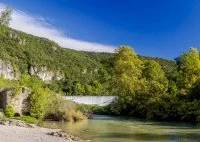
The bridge and mill of Bertrand : history flirts with water: fortified mills, dams, ancient bridges mark the passages of the Hérault and streams, once essential for local paths.
A Living Terroir
In this landscape of plateau and valleys, traditional agricultural activities persist: livestock farming, grain cultivation, forest exploitation, and viticulture under AOP Languedoc and Terrasses du Larzac. The wild nature, sinkholes, gorges, and scrubland give this terroir a strong visual and sensory identity.
Did you know?
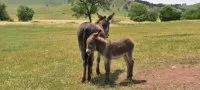
The site has always been crossed by transhumance and muleteer paths, and its plateau was a passage between valleys. These ancient routes still leave their mark in the landscapes and place names.
The People from Here
The inhabitants of the municipality of Causse-de-la-Selle are called Caussois and Caussoises.