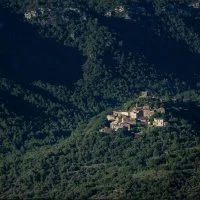
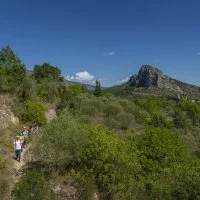
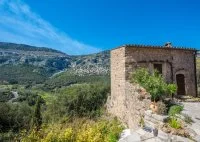
Pégairolles-de-Buèges is a picturesque medieval village located in the Buèges valley, at the foot of the Séranne massif. Perched on a rocky outcrop, it offers stunning views of the surrounding gorges.
Our favorites


The village tells its story…
The name Pégairolles derives from the Occitan pegairòla, meaning « clay soil », referring to the land of the valley.
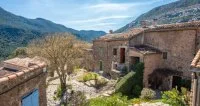
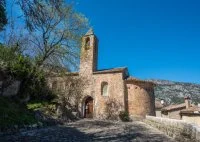
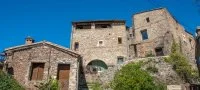
In the 12th century, the village was dominated by a fortified castle, around which the town developed. The old castral chapel, dating from the 12th century, has become the parish church of the village. This medieval heritage is still visible today, with its narrow alleys and stone houses.
Not to be missed!
The medieval castle : Overlooking the village, it testifies to the strategic importance of Pégairolles in the Middle Ages.
The parish church : An old castral chapel from the 12th century, it features typical Romanesque architecture.
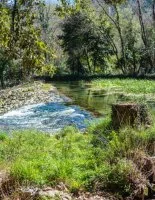
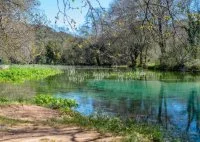
The Méjanel spring : Located in the valley, it marks the source of the Buèges river, offering a peaceful natural setting.
A living terroir
The village is part of the perimeter of the Grand Site de France Gorges de l’Hérault and is located in the heart of the territory « Causses et Cévennes », listed as a UNESCO World Heritage site. This classification highlights the importance of the Buèges valley in the cultural and natural landscape of the region.
Agriculture is still present here, with crops adapted to the terrain, such as olives, and practices that respect the environment.
Did you know?
The village served as a natural backdrop for the TV series L'Or du diable, broadcast in 1989. This filming showcased the landscapes and medieval architecture of Pégairolles-de-Buèges, drawing attention to this picturesque village.
The locals
The inhabitants of the municipality of Pégairolles-de-Buèges are called the Pégairollais and Pégairollaises.