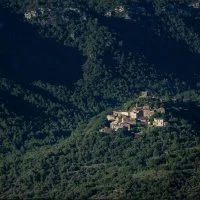
On the limestone hills near Montpellier, Combaillaux stands out for its old circular center, its vast olive groves, its ancient stones, its intimate alleyways, and a rural atmosphere filled with Mediterranean softness
Our favorites


The village tells its story…
Combaillaux formed around a fortified medieval core, remnants of 12th-century ramparts survive.
Archaeological digs have revealed human occupation since the Neolithic, with hearths, flint, and fragments of pottery. In a place called Les Érables, a reduction workshop for iron ore dated from the 5th to the 3rd century BC constitutes the earliest known trace of this activity in Southern Gaul.
Not to be missed!
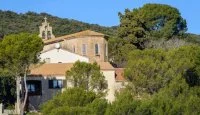
The circular center : The village was organized around an ancient fortified building from the 12th century, now gone. The houses encircle this core, and the narrow, vaulted alleys preserve its trace.
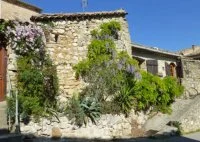
Medieval remnants: ramparts, ancient porch, wells, crosses, stone elements in the houses testify to the village's ancient built heritage.
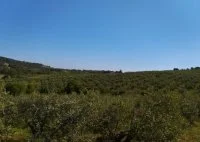
The Olive Groves and oil mill: Combaillaux has one of the two olive pressing establishments in the metropolitan area, processing the olives from its vast olive groves
A living terroir
The olive tree dominates the landscape of Combaillaux, with nearly 10,000 trees spread across the local olive groves. A symbol of the village's identity, it shapes the economy and traditions through the production of characterful olive oils, tapenades, and other specialties. Viticulture is also present, but the olive remains the region's major emblem.
Did you know?
When picking ripe olives by hand, some bounce with a little spring. The old folks said that if an olive bounced too high, it had a “fiery” character and would produce a stronger oil.

The people here
The residents of the municipality of Combaillaux call themselves Combaillauxois and Combaillauxoises.