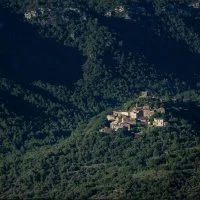
Located north of Montpellier, Fontanès is a small picturesque village that charms with its authenticity, built heritage, and preserved natural environment. Between vineyards, scrublands, and history, it offers an immersion in rural Languedoc.
Our favorites



The village tells its story…
Fontanès has occupied a strategic position since the Middle Ages, at the crossroads of Anduze, Montpellier, and Sommières paths.
The Counts of Melgueil had established a toll at the Tour de la Roque for merchants and pilgrims, highlighting the importance of Fontanès in commercial and religious networks. Today, the remnants of this tower, transformed into a winemaker's house, are visible at the Château La Roque estate.

Not to be missed!
Saint-Étienne Church: A 19th-century building, it replaces an earlier church destroyed in the 18th century.
The wells: Testimonies of the importance of water for the village, these wells were the only sources of drinking water until after World War II.
The wine-producing architectures: Fontanès retains typical buildings from the wine-growing expansion of the 18th and 19th centuries, reflecting its past focused on vine cultivation.


A vibrant terroir
The village is located in the heart of the Pic Saint-Loup appellation, renowned for its quality wines. Several wine estates, such as Château La Roque, produce wines appreciated by connoisseurs.
Did you know?
The name of the municipality, Fontanès, comes from the Occitan fontana, meaning "fountain", in reference to the presence of water sources in the region.

The people from here
The inhabitants of the municipality of Fontanès are called Fontanésiens and Fontanésiennes.